
Maria Alexander
Partner & EVP

Maria Alexander has over a decade of experience in value-based care design and operations. As VP of Population Health Operations at Mount Sinai Health System, she oversaw various aspects of their clinically integrated network. Maria also spent six years at CMS, contributing to the development of the Pioneer ACO Model and other initiatives. She holds a Bachelor’s degree from Tufts University.
More from Maria
Podcast
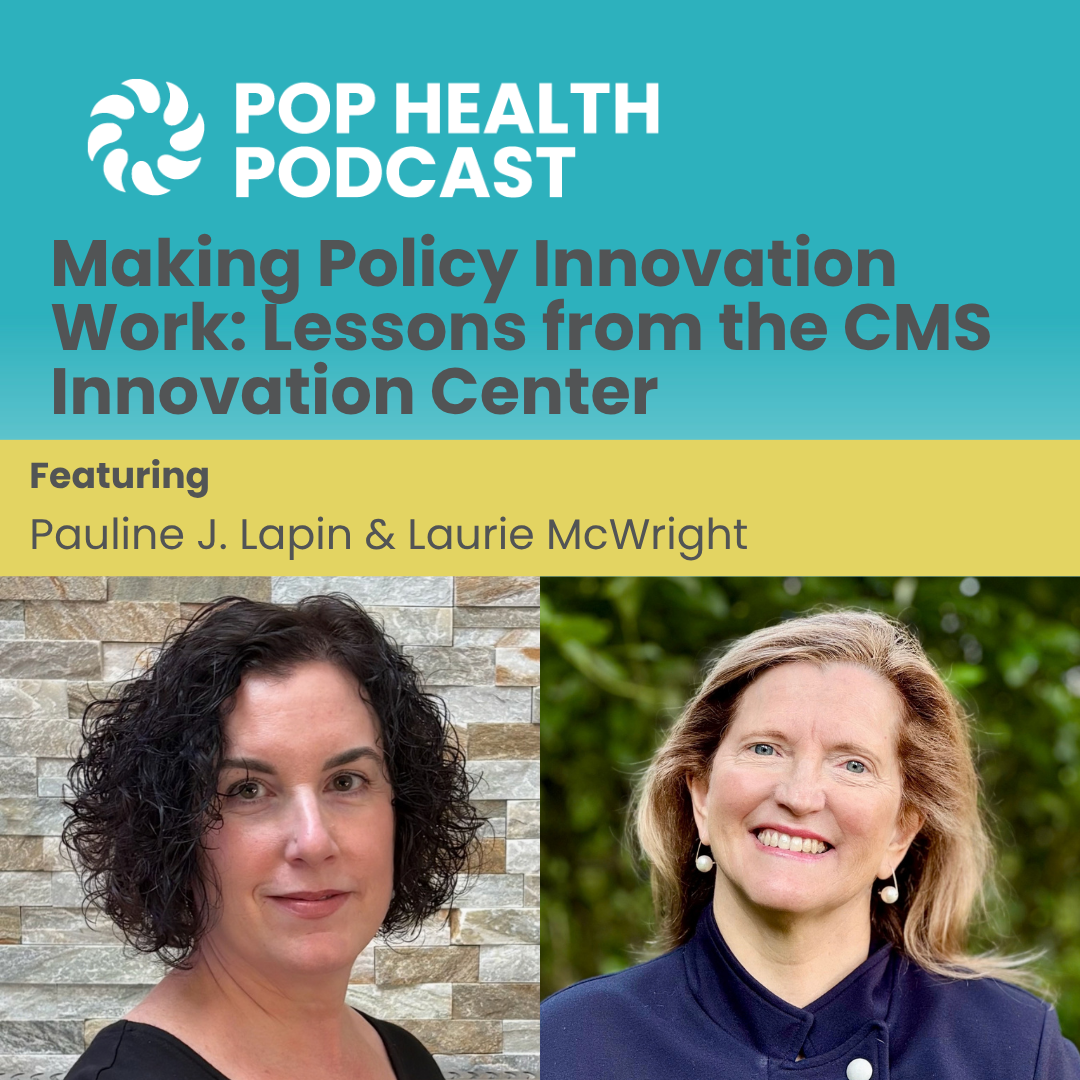
Policy innovation requires more than a strong idea. It depends on the people, culture, and operational discipline needed to turn that idea into something that can work in practice. Pauline J. Lapin and Laurie McWright, former leaders at the Center for Medicare and Medicaid Innovation within the Centers for Medicare & Medicaid Services, join Coral Partner Kate Freeman to reflect on lessons from their decades of public service and their recent Milbank Quarterly Opinion. Their conversation explores how leaders build teams that can navigate uncertainty, use data and stakeholder feedback without losing objectivity, align policy design with operational realities, and sustain trust and mission alignment as priorities evolve.

Strong population health programs can still fall short when the clinical, behavioral health, and community-based organizations surrounding them lack the shared workflows, communication structures, and alignment needed to work effectively together. Purva Rawal, PhD, and Leigh Wilson-Hall, MSW, Senior Advisors at the Camden Coalition, join Coral Director Ashley Fitch to discuss the Community Ecosystem Alignment Tool, or CEAT, and how it helps organizations turn cross-sector collaboration into a more intentional and operational capability. Their conversation explores why fragmented ecosystems can undermine otherwise promising interventions, how CEAT helps partners identify and reduce friction, what implementation looks like in practice, and how stronger alignment can support better execution across maternal health, behavioral health, transitions of care, and integrated or value-based models.

Artificial intelligence has no shortage of potential applications in health care, but deciding where to begin and how to implement it responsibly is another matter. Rob Fields, MD, MHA, Executive Vice President and Chief Clinical Officer at Beth Israel Lahey Health, joins Coral Founder Meg Koepke to discuss how the health system is putting AI into practice. Their conversation explores the organization’s rollout of ambient clinical documentation, the results and responses it has seen so far, and what leaders are learning about selecting use cases, supporting adoption, engaging patients, and managing change.

This year's proposed physician fee schedule includes a wide range of changes that could affect accountable care organizations, clinicians, and Medicare beneficiaries—from updates to financial methodology and quality measurement to new ideas for prospective payment and specialty care.
In this episode, Coral's Joy Chen and Maria Alexander speak with Jake Quinton, Chief Medical Officer for the Center for Medicare about which proposals matter most, what they signal about CMS’s longer-term vision for accountable care, and where CMS is seeking practical feedback from organizations working on the ground.

In this episode of Bright Spots, Coral’s Kate Freeman speaks with Gretchen Heinen, Founder and CEO of Authsnap, about how AI-enabled tools can help reduce the administrative burden of insurance-denial appeals and medical-necessity documentation. The conversation explores how Authsnap supports clinics, hospitals, and health care organizations by streamlining work that has traditionally required hours of manual review, helping providers manage growing volumes of commercial-payer and specialty-drug denials with greater speed and accuracy. Gretchen shares how her experience as a utilization-management nurse shaped the development of Authsnap, what implementation looks like in real-world provider workflows, and what tools like Authsnap could mean for the future of prior authorization, revenue cycle operations, and patient access to care.
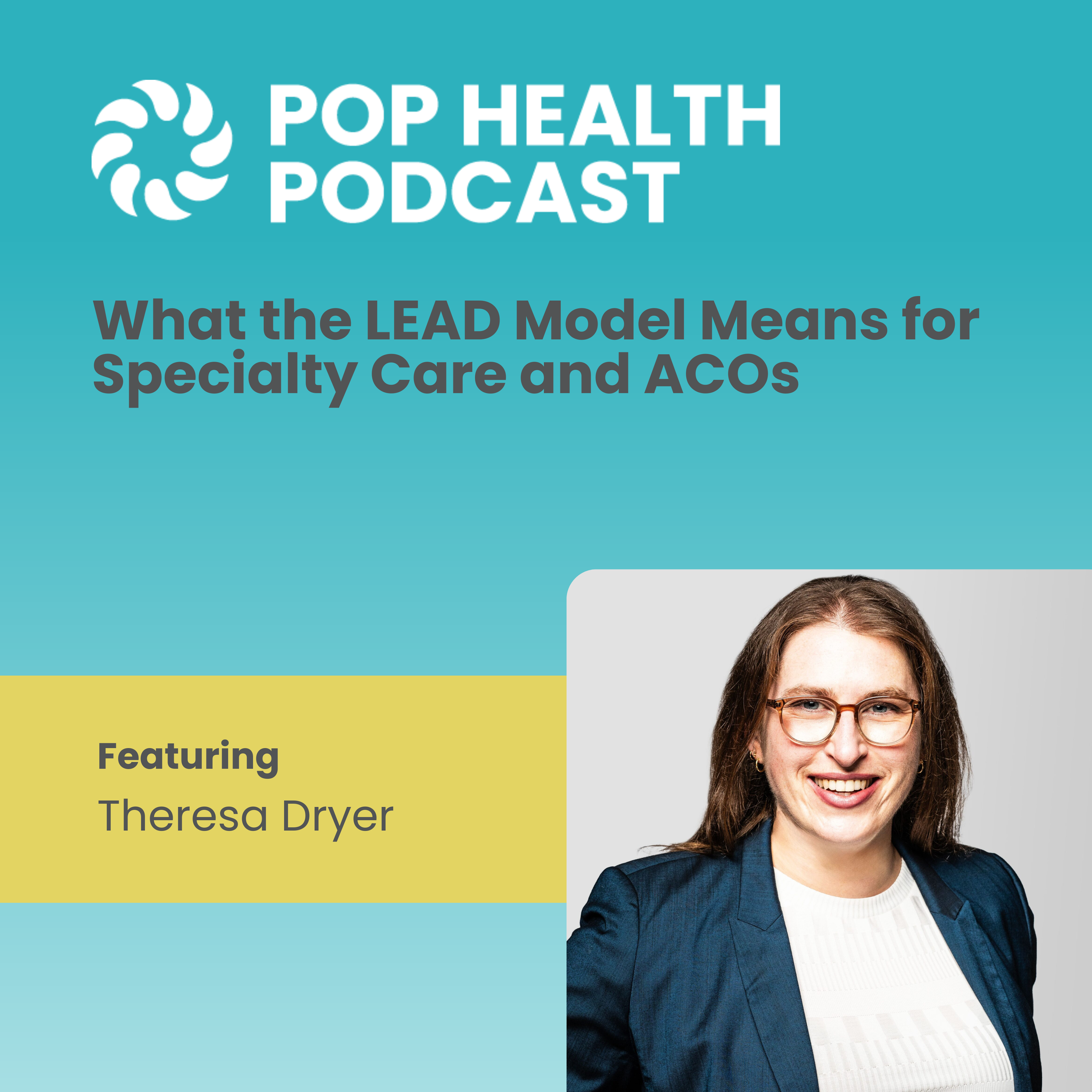
Specialty care has long been one of the harder pieces of accountable care to operationalize. In this episode, Coral’s Joy Chen speaks with Theresa Dreyer, CEO of the Health Care Transformation Task Force, about what CMS’s Long-term Enhanced ACO Design, or LEAD, Model could mean for ACOs and specialty groups. They discuss why specialty engagement has been challenging across payer lines, how LEAD creates more formal pathways for ACO-specialist arrangements, what different types of specialty groups may need to consider, and what it will take for these models to move from payment design to practical changes in care delivery.
Blog

On July 14, 2026, the Centers for Medicare & Medicaid Services (CMS) released the CY 2027 Medicare Physician Fee Schedule (PFS) Proposed Rule, which, among other important physician payment updates, includes proposed changes to the Medicare Shared Savings Program (MSSP).

The National Association of ACOs (NAACOS) held its annual spring conference in Baltimore April 22-24. The event brought together NAACOS members, industry thought leaders, and businesses building innovative tools for value-based care and health system transformation.

CMS finalized a rule to address suspected fraudulent billing for catheter-related DME in 2023, impacting Medicare Shared Savings Program financial calculations. The rule excludes specific catheter claims from ACO performance year and benchmark calculations, with key policy changes affecting ACOs' financial outcomes.

The National Association of ACOs (NAACOS) held its annual fall conference in DC last week and you could feel the energy was up. They had a record turnout of over 700 attendees - ACO participants, enablers, consultants, and professionals focused on all things accountable care. Coral Health Advisors was in attendance and came away with 5 key impressions to share.
Resources

Accountable Care Organizations (ACOs) began as collaborative networks focused on better care coordination. With growing demands for cost management and data insights, choosing the right partner—an aggregator, enabling company, or ACO entity—is crucial.
Since 2012, ACOs have become a cornerstone of health care reform, generating $22.4 billion in Medicare savings and evolving into a multi-billion-dollar sector. With a dynamic, competitive landscape, practices frequently switch partners or opt for self-administration to find the right fit. To stand out and succeed, Coral Health Advisors recommends three key steps for attracting and retaining provider partners aligned with your care and financial goals.

Learn how to strengthen your governance for better results in value-based care. Whether you're starting with MSSP or experienced with IPAs and CINs, download now for practical tips to improve outcomes, spending, and care experiences.