
Trevor Abeyta
Director
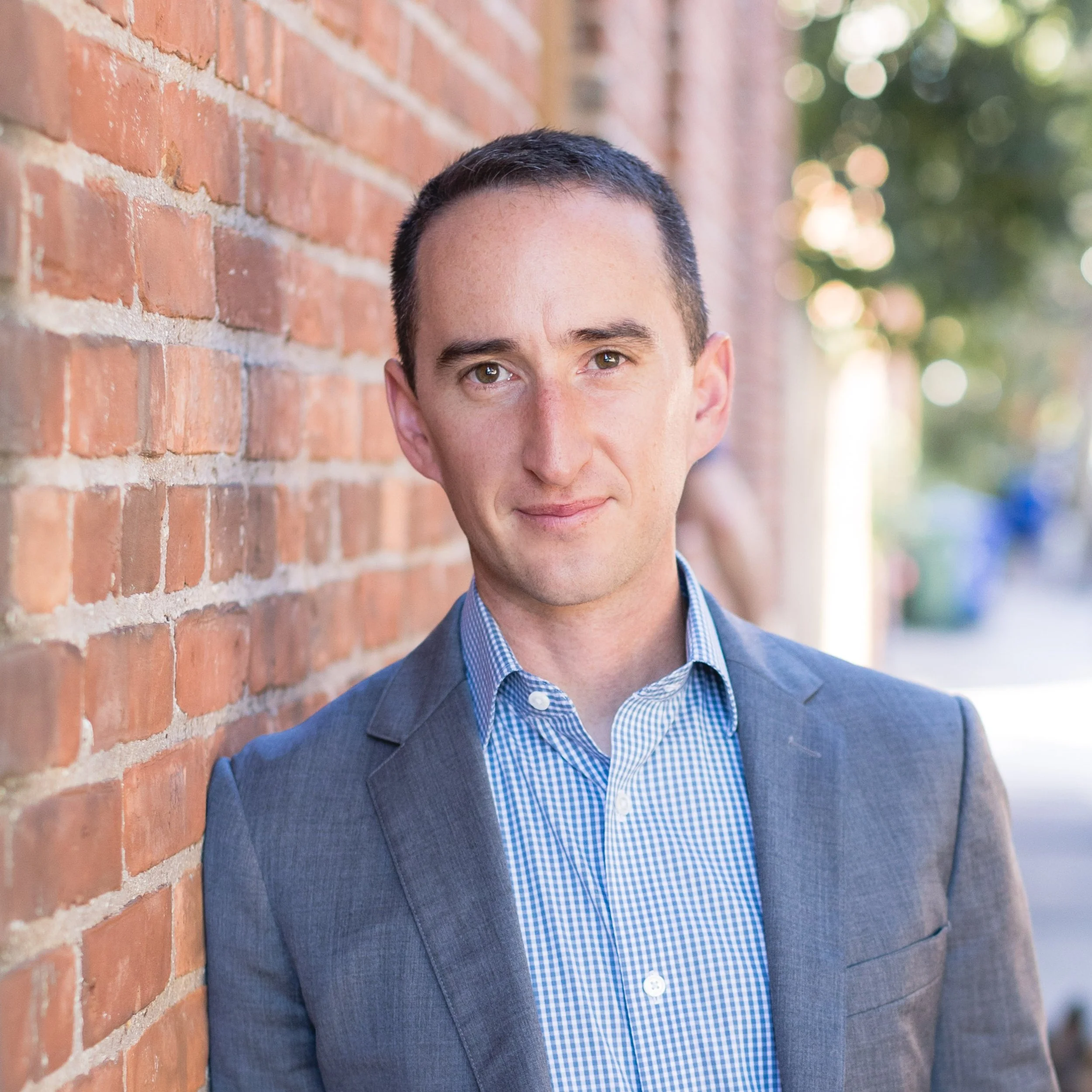
Trevor Abeyta is a seasoned health policy expert specializing in value-based payment and care delivery reform within Medicaid. Prior to joining Coral, Trevor served as the Payment Reform Director at the Colorado Department of Health Care Policy & Financing, where he led Medicaid’s transition to value-based payment. He oversaw the development, implementation, and operations of Colorado's APM 2 program, a primary care partial capitation model, as well as the Department’s maternity episode of care initiative. Trevor holds an M.A. from Colorado State University.
More from Trevor
Blog

When the Rural Health Transformation (RHT) Program was first announced, the size of the investment drew immediate attention. A $50 billion federal rural health program naturally created expectations that states, providers, vendors, consultants, and technology companies would move quickly to position themselves.

The Centers for Medicare & Medicaid Services (CMS) recently released a proposed rule that would change how certain Medicaid payments are limited, documented, and reviewed. The proposal focuses on Medicaid managed care state directed payments and certain targeted Medicaid fee-for-service (FFS) payments.

The Centers for Medicare and Medicaid Services (CMS) has officially announced the first year of funding under the Rural Health Transformation Program with $10 billion flowing to all 50 states for the first year. We analyzed the FY26 distribution across all 50 states and outline what it signals as implementation gets underway.

The Centers for Medicare and Medicaid Services Innovation Center (CMMI) has announced the ACCESS (Advancing Chronic Care with Effective, Scalable Solutions) Model, a new ten-year voluntary payment model designed to support continuous, technology-enabled care for Medicare beneficiaries with common chronic conditions.

In January 2024, the Center for Medicare & Medicaid Innovation announced the Innovation in Behavioral Health model, an eight-year initiative that funds states to encourage behavioral health providers to integrate physical and behavioral health care within a behavioral health setting for adults with moderate to severe mental health conditions and substance use disorders.

Sixty million Americans depend on rural hospitals and clinics for their care, yet these facilities are disappearing at an alarming rate. Emergency funding has repeatedly failed to stop the bleeding because it treats symptoms, not causes. The new $50 billion Rural Health Transformation Program offers states and the people who depend on care in rural communities an unprecedented chance to fundamentally reimagine how rural care works.
Podcast

In this episode of the Pop Health Podcast, Coral's Trevor Abeyta is joined by Araceli Santistevan, Payment Reform Unit Supervisor at the Colorado Department of Health Care Policy and Financing, and Andy Wilson, Managing Director for Analytics at Third Horizon Strategies. Together they discuss Colorado Medicaid’s APM 2 primary care population-based payment model, exploring what has worked, key challenges such as rate setting and post-COVID utilization changes, and lessons for states pursuing value-based payment.

As 2025 comes to a close, CMS signals are becoming clearer across rural health, specialty care, chronic care, prevention, and accountable care. In this end-of-year episode, Coral Founder Meg Koepke is joined by Maria Alexander, Kate Freeman, and Trevor Abeyta to unpack what the latest federal models reveal about where policy and accountability are heading in 2026 and beyond. They discuss what RHTP signals about rural transformation, how ASM expands mandatory accountability into specialty care, what ACCESS shows about the future of digital chronic care, how LEAD reflects a shift toward longer-term accountable care, and why MAHA ELEVATE represents a new bet on prevention. Together, they reflect on what this mix of mandatory and voluntary models and fast experimentation with long horizons means for organizations preparing for the next phase of health care transformation.

The Rural Health Transformation Program represents a $50 billion investment in the future of rural health care. In this episode, Coral Directors Kate Freeman and Trevor Abeyta are joined by Caitlin Westerson, Senior Director for State Policy and Advocacy at United States of Care, to explore what this program means for states, providers, and communities. Together, they unpack the opportunities and challenges in applying for funding, the role of value-based care in building sustainable models, and how states can align stakeholders to create lasting change in rural health systems.

In this episode, Coral’s Kate Freeman and Trevor Abeyta talk with Megan Burns and Carol Sakala about CMS’s Transforming Maternal Health (TMaH) model, lessons from value-based maternity care, and strategies states can use to improve maternal health outcomes.